Protecting Your Skin from Sun Damage: Simple Steps for Healthier Skin This Summer

Blog

Protecting Your Skin from Sun Damage: Simple Steps for Healthier Skin This Summer

Sun Safety

Summer means spending more time outdoors, whether you’re at the beach, working in the yard, or simply enjoying a weekend with family and friends. While sunshine has its benefits, too much sun exposure can have lasting effects on your skin.

Over time, ultraviolet (UV) rays can cause premature aging, wrinkles, sun spots, uneven pigmentation, and most notably, increase your risk of developing skin cancer.

The good news? Most sun damage is preventable. And there are a few simple habits that can go a long way toward keeping your skin healthy, not just this summer, but all year long.

How Does the Sun Damage Your Skin?

Many people think sun damage only occurs after getting a sunburn, but that’s not the only case. Your skin is exposed to UV rays every day, even when it’s cloudy. And daily activities like driving, gardening, walking the dog, or running errands all add up over time.

There are two types of ultraviolet rays that affect your skin:

UVA Rays

UVA rays penetrate deep into the skin where they break down collagen and elastin (the proteins responsible for keeping skin firm and youthful).

Over time, repeated UVA exposure can lead to:

  • Fine lines and wrinkles
  • Loss of skin elasticity
  • Uneven skin tone
  • Brown spots and sun spots
  • Premature aging

Because UVA rays can pass through glass, you’re exposed even while driving or even sitting near a window.

UVB Rays

UVB rays affect the outer layers of your skin and are the primary cause of sunburn.

More importantly, UVB rays damage your skin’s DNA, increasing your risk of developing skin cancer, including:

  • Basal cell carcinoma
  • Squamous cell carcinoma
  • Melanoma

Even if you don’t burn easily, repeated UV exposure causes cumulative damage over the years.

Sunscreen Is Your Best Defense

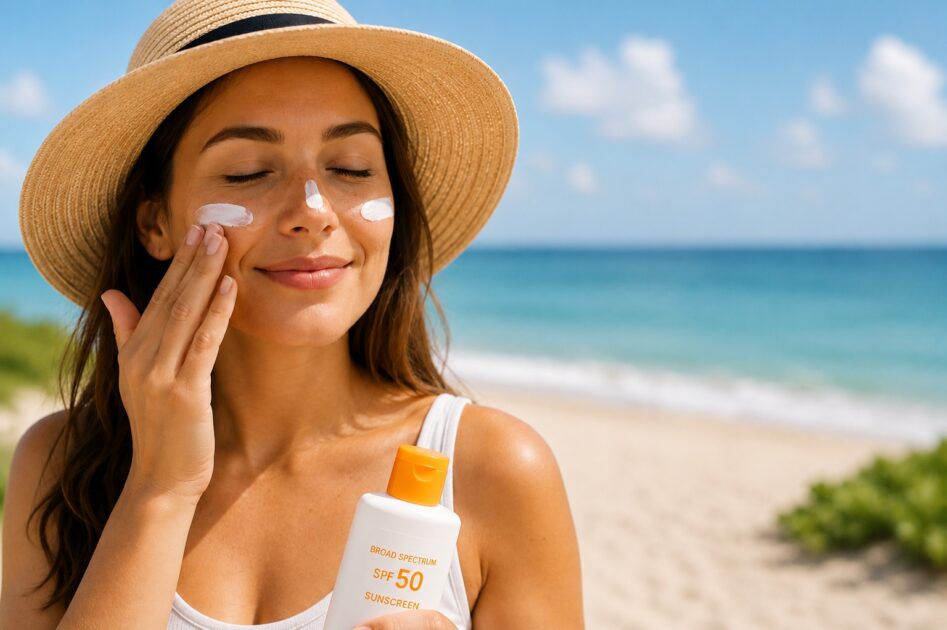
One of the easiest ways to protect your skin is by wearing a broad-spectrum sunscreen of at least 30 daily.

Broad-spectrum means that it protects against both UVA and UVB rays, helping reduce your risk of:

  • Sunburn
  • Premature aging
  • Dark spots
  • Wrinkles
  • Skin cancer

Applying sunscreen every morning is one of the simplest ways to protect your skin.

Are You Applying Enough Sunscreen?

Most people simply don’t use enough sunscreen to get the protection listed on the bottle.

As a general guideline:

  • Face and neck: About two finger-lengths of sunscreen.
  • Entire body: About one ounce (roughly a shot glass full).

For the best protection:

  • Apply sunscreen about 15 minutes before going outside.
  • Reapply every two hours.
  • Reapply after swimming or sweating.

Don’t Rely on Sunscreen Alone

Sunscreen works best when it’s part of a complete sun protection routine.

Some ways you can further reduce your UV exposure is by:

  • Wearing a wide brimmed hat
  • Using UV blocking sunglasses
  • Wearing UPF rated clothing
  • Seeking shade whenever possible
  • Avoiding prolonged sun exposure between 10am and 4pm (this is when the UV rays are strongest).

Can Existing Sun Damage Be Treated?

Yes. While preventing sun damage is always the best approach, many of its visible effects can be improved.

Depending on your skin concerns, treatment options may include:

  • Medical-grade skincare products
  • Prescription topical medications
  • Laser treatments
  • Treatment of precancerous lesions
  • Other customized treatment options based on your skin

The right treatment depends on your skin type, your goals and the amount of sun damage.

When Should You Schedule a Skin Check?

Annual skin cancer screenings are one of the best ways to detect skin cancer early, when treatment is often simpler and more successful.

Schedule an appointment if you notice:

  • A mole changing in size, shape, or color
  • A spot that bleeds or won’t heal
  • A new or rapidly growing lesion
  • A sore that repeatedly comes back
  • A mole that looks different from the others

If something doesn’t look or feel right, don’t ignore it. It’s always better to have it evaluated.

Healthy Skin Starts with Prevention

Protecting your skin isn’t just about avoiding a painful sunburn, it’s about reducing your risk of premature aging and skin cancer.

Whether you need a skin cancer screening, have concerns about a changing mole, or want help treating existing sun damage, our team at Lisa S. Ball NP at the Neiman Dermatology is here to help.

Call us today at (716) 688-0020 or click here to schedule your appointment and keep your skin healthy all year long.

Tagged with: , , , , , , ,
Posted in Skin Care

Ancient Nutrition Multi Collagen Protein: Supporting Healthy Skin from the Inside Out

Woman with glowing skin representing collagen support for healthy skin, hair, and nails.As we age, our body’s natural collagen production begins to slow down. And once we hit age 30, collagen levels gradually decrease each year. This can contribute to fine lines, wrinkles, thinner hair, brittle nails, and a loss of skin elasticity.

While we can’t stop the aging process, there are ways to help.

At The Neiman Dermatology Building, we believe healthy skin starts with a comprehensive approach. Dermatology treatments, medical-grade skincare, and daily sunscreen are all important. But proper nutrition and high-quality supplements can also play a role in supporting healthy skin and hair.

One product many patients love for this is the Ancient Nutrition Multi Collagen Protein.


What Is Ancient Nutrition Multi Collagen Protein?

Ancient Nutrition Multi Collagen Protein is a premium collagen powder that contains 10 different types of collagen from multiple sources. Unlike many collagen options that contain only one or two collagen types, this formula is designed to support the skin, hair, nails, and joints.

The collagen is hydrolyzed, which means it is broken down into smaller parts for better absorption within the body.


What Are the Benefits of Collagen?

Collagen is the most abundant protein in the body and helps provide structure and strength to your skin, hair, nails, bones, and joints.

As collagen production naturally declines with age, many people choose to add collagen peptides to their daily routine to help support:

  • Healthy-looking skin
  • Skin hydration
  • Skin elasticity
  • Fine lines and wrinkles
  • Stronger hair
  • Healthier nails
  • Joint support

While collagen won’t stop aging, it can be a helpful part of an overall healthcare routine.


Can Collagen Help Hair Health?

Healthy hair depends on many factors, including genetics, hormones, nutrition, and scalp health.

Although collagen isn’t specifically a treatment for hair loss, it does provide amino acids that help support the proteins involved in healthy hair growth and structure.

Many patients combine the collagen with supplements Nutrafol as part of their overall hair wellness routine.


How Long Does It Take to See Results?

Collagen doesn’t work overnight.

Most people who take collagen consistently begin noticing improvements in their skin, hair, or nails after about 8 to 12 weeks. As with any supplement, results vary from person to person.


Healthy Skin Starts with a Complete Routine

Collagen is just one part of maintaining healthy skin.

For the best results, we also recommend:

  • Wearing sunscreen every day
  • Using medical-grade skincare products
  • Eating a healthy diet
  • Staying hydrated
  • Scheduling regular skin examinations

Taking care of your skin from both the inside and outside can help you maintain healthier-looking skin for years to come.


Interested in Learning More?

If you’re interested in Ancient Nutrition Multi Collagen Protein or would like recommendations for other products that support healthy skin and hair, our team is happy to help.

Stop by The Neiman Dermatology Building or contact our office to learn more.

Tagged with: , , , , , , , , , , , , ,
Posted in Hair Care, Hair Loss, Products, Skin Care

Common Causes of Hair Loss in Men & Women

Hair loss and thinning are common concerns affecting both men and women. At the Neiman Dermatology Building, we evaluate a variety of causes of hair loss and thinning, including androgenetic alopecia, telogen effluvium, hormonal hair loss, scalp conditions, and medication-related shedding.

Because some forms of hair loss can progress over time, early evaluation is often important for determining the most effective treatment approach.

Woman Inspecting Hair Loss

Androgenetic Alopecia

Androgenetic alopecia or pattern hair loss is the most common cause of hair thinning in both men and women and is influenced by genetics and hormones.

Common signs include:

  • Receding hairline
  • Thinning at the crown
  • Widening of the part
  • Diffuse thinning throughout the scalp

Treatment options include:

  • Minoxidil
  • Finasteride
  • Hair transplantation

Telogen Effluvium

Telogen effluvium or stress-induced hair loss is a temporary form of hair shedding that can be caused by illness, surgery, childbirth, rapid weight loss, and/or nutritional deficiencies.

Common signs include:

  • Increased shedding
  • Hair coming out excessively during brushing or washing
  • Diffuse thinning throughout the scalp

Hormonal, Nutritional, and Medical Causes

Hair thinning may also be associated with:

  • Menopause
  • Thyroid disorders
  • PCOS
  • Iron deficiency
  • Low vitamin D
  • Certain medications
  • Scalp conditions

Symptoms may include itching, burning, flaking, scalp tenderness, or progressive thinning.


When Should You Seek a Hair Loss Evaluation?

It may be time to schedule an appointment if you notice:

  • Sudden increased shedding
  • Progressive thinning
  • Bald patches
  • Receding hairline
  • Widening of the part
  • Changes in hair density

The team at the Neiman Dermatology Building provides personalized hair loss evaluations for men and women throughout Buffalo and Western New York.

Tagged with: , , , , , , , , , , , , , , , , , , ,
Posted in Hair Loss

Is Your Dry Skin Actually Eczema? How to Tell the Difference

Dry Skin vs. Eczema: How to Tell the Difference and When to Seek Treatment

Dry, itchy skin is one of the most common reasons people seek dermatology care during the harsh Western New York winters. While many may simply chalk up their symptoms to dry skin, the cause may actually be eczema, a chronic inflammatory skin condition that often requires treatment.

Understanding the difference between dry skin and eczema is crucial, as treating eczema as if it were simple dryness can allow symptoms to worsen over time.

So how can you tell if it’s dry skin or eczema? Let’s take a closer look.


Dry Skin vs. Eczema: What’s the Difference?

Although dry skin and eczema can look very similar, they require very different treatment approaches.

Dry skin is usually temporary and related to environmental factors, whereas eczema is chronic, involving inflammation, skin barrier dysfunction, and immune system activity.


Dry Skin: Causes and Symptoms

Dry skin occurs when the skin does not retain enough moisture. It is often seasonal and improves with proper skincare.

Common Causes of Dry Skin

  • Cold or dry weather

  • Hot showers or baths

  • Harsh soaps or cleansers

  • Certain skincare products

  • Aging skin

  • Dehydration

Typical Dry Skin Symptoms

  • Flaking or scaling

  • Mild itching

  • Tight, rough, or dull skin texture

  • Symptoms improve with consistent moisturizing

In most cases, dry skin responds well to over-the-counter moisturizers, gentle cleansers, and lifestyle adjustments.


Eczema: Causes and Symptoms

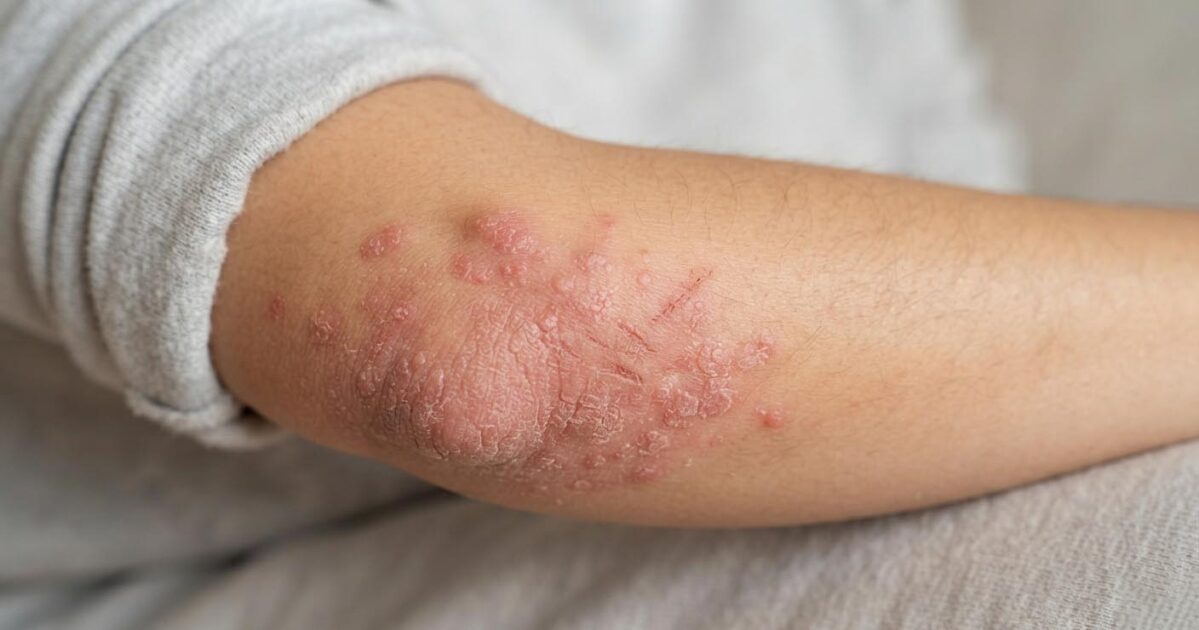
Eczema is a chronic inflammatory skin condition that affects the skin barrier and immune response. This makes the skin more sensitive and prone to irritation and flare-ups.

Common Eczema Symptoms

  • Intense, persistent itching (often worse at night)

  • Red, inflamed, or irritated patches

  • Thickened or leathery skin over time

  • Cracking, oozing, or crusting

  • Flare-ups that improve and worsen repeatedly

Unlike dry skin, eczema often does not fully improve with moisturizers alone and frequently requires medical dermatology treatment.


How to Tell If Your “Dry Skin” Is Actually Eczema

You may be dealing with eczema rather than simple dry skin if:

  • Itching is constant or severe

  • Moisturizers provide only temporary relief

  • Skin appears red or inflamed, not just flaky

  • Symptoms return in the same areas repeatedly

  • Skin becomes thickened, darker, or leathery

Common areas affected by eczema include the hands, elbows, knees, neck, face, wrists, and behind the ears.


Why a Diagnosis Matters

Treating eczema as ordinary dry skin can lead to:

  • Persistent itching and discomfort

  • Increased risk of skin infections

  • Worsening inflammation and flare-ups

A professional dermatology evaluation helps to:

  • Accurately diagnose dry skin vs. eczema

  • Rule out infections or allergic reactions

  • Identify personal triggers

  • Create an effective, personalized treatment plan

Early diagnosis and treatment can significantly improve symptoms and long-term skin health.


Dermatology Treatment for Dry Skin and Eczema

Treatment depends on the diagnosis and severity of symptoms.

Treatment Options for Dry Skin

  • Medical-grade moisturizers

  • Gentle, non-irritating cleansers

  • Skincare and lifestyle guidance

Treatment Options for Eczema

  • Prescription topical medications

  • Anti-inflammatory therapies

  • Skin barrier-repair treatments

  • Trigger identification and prevention strategies

The goal of dermatology treatment is to reduce inflammation, restore the skin barrier, and prevent future eczema flares.


When Should You See a Dermatology Provider?

You should schedule an appointment with a dermatology provider if:

  • Dryness does not improve after 1–2 weeks of regular moisturizing

  • Itching interferes with sleep or daily activities

  • Skin becomes red, painful, cracked, or oozing

  • You’re unsure whether your symptoms are dry skin or eczema

Prompt evaluation can prevent symptoms from becoming more severe and harder to control.


The Bottom Line

Not all dry skin is eczema, but persistent, itchy, inflamed skin shouldn’t be ignored. If you are experiencing ongoing dry skin or eczema symptoms in Buffalo or the surrounding areas, schedule an evaluation with our dermatology team to receive an accurate diagnosis and personalized treatment plan.

Tagged with: , , , , , , , , , , , , , , , , , , , , , , , , , , , , ,
Posted in Dermatology, Skin Care

Top 5 Cold Weather Skin Problems and How to Fix Them Before the Holidays

Cold weather womanAs the temperature drops and the holidays approach, many people notice their skin becoming dull, dry, or irritated. Cold weather brings harsh winds, frigid temperatures, and indoor heating, all of which can take a toll on your skin.


The good news? Most cold-weather skin issues are preventable (and treatable) with the right approach. Here are the top five cold-weather skin problems we see this time of year, along with expert advice on exactly how to get your skin back on track before the holidays.

1. Dry, Flaky Skin. Cold air outside and heated air inside pull moisture from the skin, leading to dryness, cracking, and flaking.

What Helps:

    • SkinCeuticals Triple Lipid Restore 2:4:2 is a rich, anti-aging moisturizer designed to replenish the skin’s moisture barrier.
    • SkinCeuticals Gentle Cleanser is gentle on the skin and does not strip it of the necessary oils.
    • PCA Skin Hyaluronic Acid Boosting Serum helps boost water retention within the skin.
    • Humidify your home, especially areas where you spend a significant amount of time (ie. living room, bedroom).

2. Dull, Lackluster Skin. Cell turnover slows in colder months, often leaving skin looking more tired or uneven.

What Helps:

    • Gentle exfoliation. Over-exfoliating can actually worsen dryness. Try using a mild exfoliant once or twice a week.
    • Use a vitamin C serum. SkinCeuticals CE Ferulic, as a morning antioxidant, helps brighten and protect the skin from environmental stress.

3. Winter Acne and Breakouts. Cold weather doesn’t stop acne. In fact, skin dryness can trigger more oil production, leading to clogged pores and flare-ups.

What Helps:

    • Use a non-comedogenic moisturizer. One of our favorites is SkinCeuticals Daily Moisture. Even oily skin needs hydration in winter.
    • Spot treat—but don’t overdo it. Too much benzoyl peroxide or salicylic acid can increase irritation and dryness.

4. Eczema Flare-Ups. Eczema is one of the most common skin concerns associated with cold weather. The cool, dry air weakens the skin barrier and triggers itching, redness, and irritation.

What Helps:

    • Use a thick, fragrance-free cream. Ointments and rich creams are often more effective than lotions.
    • Take shorter, lukewarm showers. Hot water can strip the skin of natural oils, leaving it more prone to irritation.
    • Apply a moisturizer immediately after showering. This locks in hydration while the skin is still damp.
    • Avoid fragrance and harsh detergents. These can worsen sensitivity.

5. Chapped, Cracked Lips. Lips lack oil glands, which makes them especially vulnerable to winter air.

What Helps:

    • Avoid licking your lips. It dries them out even more.
    • Apply a balm before bed and before going outside.

Cold weather can be tough on your skin, but the right routine can keep your complexion glowing and hydrated. If you’re unsure which products or treatments are best for you, our providers can create a personalized cold-weather skincare plan tailored to your needs. Schedule an appointment online or call 716-688-0020, and step into the holidays with your healthiest, most radiant skin yet.

Tagged with: , , , , , , , , , , , , , , , , , , , ,
Posted in Skin Care

Laser Hair Removal in Fall: The Best Time to Start Treatments for Smooth Skin

Lauren Paella Laser Hair Removal

As the warmer months fade and sun exposure decreases, now is the perfect time to consider laser hair removal. Cooler weather allows your skin to recover more comfortably while minimizing the risk of post-treatment pigmentation. And starting now, ensures smoother, hair-free skin just in time for spring.

Below, we highlight some of the most popular areas for laser hair removal during the cooler months and why timing your treatments right can make all the difference.

  • Face (Chin, Upper Lip & Sideburns)

Laser hair removal on the face is one of the most commonly treated areas, but sun exposure can make this area tough to treat during the summer. And the cooler it gets, the fewer UV rays there are, which allows for safer, more effective laser hair removal.

  • Bikini

Although the bikini area can be safely treated year-round, starting laser hair removal in the cooler months ensures you’ll complete multiple sessions before summer. This gives your skin time to heal naturally and achieve beautifully smooth, long-lasting results.

  • Legs

Laser hair removal on the legs is best done when the skin is lighter and less likely to be tanned. Cooler months are perfect since you’re naturally covering up, which helps protect the skin from UV rays.

  • Back & Chest

Fall and winter offer the ideal window to begin these larger treatment areas, especially since multiple sessions are required for best results.

Why Fall & Winter Are the Perfect Seasons for Laser Hair Removal

  • Reduced sun exposure means lower risk of hyperpigmentation
  • Cooler weather allows you to cover treated areas, protecting your skin
  • Starting a series of treatments now increases the likelihood of hair-free skin for spring/summer

There’s no better time than now to invest in long-lasting smooth skin. Whether you’re ready to target your legs, bikini line, or facial hair, this is the season to start laser hair removal treatment.

Tagged with: , , , , , , , ,
Posted in Laser Hair Removal

Why Summer Is the Perfect Time for Underarm Laser Hair Removal

Summer is in full swing, and that means sleeveless tops, swimsuits, sunshine, and more time spent outdoors. If you’re finding yourself shaving more often just to keep up, you’re not alone. But here’s the good news: summer is actually one of the best times to start underarm laser hair removal for smoother skin all year long. Here’s why:

Underarm Laser Hair Removal Treatment

You’re Already in a Grooming Routine

Summer calls for frequent shaving, especially with more skin on display. Instead of reaching for the razor every day, it’s the perfect time to commit to a permanent solution. Laser hair removal for underarms targets hair at the root, reducing regrowth over time and eliminating the constant cycle of shaving, stubble, and irritation.

Confidently Wear Sleeveless Styles

From beach days to weddings, summer means going sleeveless. Laser hair removal helps you stay confident and stubble-free, without worrying about visible hair. As your treatments progress, you’ll notice thinner, finer hair and eventually, smooth underarms that don’t need constant upkeep.

Start Now, See Results Sooner

Laser hair removal works best in a series of treatments, spaced several weeks apart. Starting in summer means you’re getting a head start, so by fall and winter, you’ll already be well on your way to lasting smoothness.

Say Goodbye to Ingrown Hairs and Razor Burn

Underarm skin is sensitive, and constant shaving can lead to razor burn, bumps, and ingrown hairs. Laser treatments help prevent these issues by reducing hair growth at the source, leaving your skin smoother, calmer, and more comfortable.

Sun Exposure? Not a Concern

Worried about laser treatments and sun exposure? Don’t be. The underarm area is naturally shaded from the sun, making it one of the safest and easiest areas to treat during summer. You can still enjoy all your favorite outdoor activities without compromising results.

Tired of shaving your underarms every day? Laser hair removal is a safe, effective, and long-lasting solution for smooth, stubble-free skin. At Lisa Ball, NP in Buffalo, NY, we offer professional laser hair removal for underarms and other areas using advanced technology for all skin types. Serving Buffalo and Western New York, we’re here to help you feel confident this summer and beyond. Call 716-688-0020 to schedule your consultation today!

Tagged with: , , , , , ,
Posted in Laser Hair Removal

Acne Awareness Month: Expert Acne Treatment in Buffalo, NY

Woman with acneJune is Acne Awareness Month, a time dedicated to shedding light on one of the most common—and most misunderstood—skin conditions: acne. At our dermatology office in Buffalo, NY, we specialize in diagnosing and treating acne at every stage of life. Whether you’re a teen struggling with breakouts or an adult facing hormonal acne, we’re here to help you achieve clearer, healthier skin.


What Is Acne?

Acne is a chronic inflammatory skin condition that occurs when pores become clogged with oil, bacteria, and dead skin cells. It can show up as:

  • Whiteheads

  • Blackheads

  • Papules

  • Pustules

  • Cysts or nodules

While acne is common among teenagers, many adults can struggle with the condition as well. And if left untreated, acne can cause scarring, discoloration, and emotional distress.


What Causes Acne?

At our dermatology office in Buffalo, NY, we often see acne caused by:

  • Hormonal changes

  • Excess oil production

  • Clogged pores from makeup or skincare

  • Diet, stress, and medications

  • Genetics

Understanding your personal triggers is key to building an effective, long-term skincare plan.


Acne Prevention Tips from a Buffalo Dermatology Provider

Here are five expert-recommended tips to help keep acne under control:

  1. Wash your face twice a day with a gentle cleanser

  2. Use non-comedogenic makeup and skincare products

  3. Avoid picking or popping pimples

  4. Use a lightweight, oil-free sunscreen daily

  5. Stick to a consistent routine, results take time


Why Acne Awareness Month Matters

Many people in Buffalo and Western New York are affected by acne and don’t realize that effective treatment options are available. Acne Awareness Month is a reminder that clear skin starts with the right care, and the right team.


Book Your Acne Appointment in Buffalo, NY

If you’re tired of battling breakouts alone, let us help. At the Neiman Dermatology Building in Buffalo, NY, our team provides personalized acne treatments designed to deliver real results. Call us at 716-688-0020 or click here to schedule an appointment today.

Tagged with: , ,
Posted in Dermatology

Why You Should Think Twice Before Buying Supplements on Amazon

Woman Ordering Online

© Getty Images

In today’s convenience-driven world, Amazon is often the first stop for everything. But when it comes to buying supplements, this convenience can come at a cost.

The Growing Problem of Counterfeit Supplements on Amazon

Over the past few years, Amazon has faced mounting criticism in regard to counterfeit supplements sold through its third-party sellers. These fake products usually look identical to the reputable brands but may contain:

  • Expired ingredients
  • Incorrect dosages
  • Unknown fillers or harmful substances

The risks are real. You could end up taking something that does more harm than good, all without even realizing it.

How Does This Happen?

Amazon allows third-party sellers to list products with little oversight. That means anyone can list a supplement, and if you’re not paying close attention, you could unknowingly order from an unauthorized seller. Even product reviews can be misleading or manipulated.

Why Order from Us

At the Neiman Dermatology Building, we take the guesswork out of what you are getting. Here’s what you can expect when you buy straight from us:

  • Authenticity Guaranteed – We work only with licensed distributors and manufacturers. Every product is vetted for quality, safety, and efficacy.
  • Proper Storage Conditions – Supplements are sensitive to heat and humidity. Unlike Amazon sellers who may store items in unknown conditions, we ensure proper storage to maintain optimal potency.
  • Personalized Recommendations – Our team understands your specific and unique health goals. We recommend products tailored to those needs, not just a generated list of bestsellers.
  • Expert Oversight – You’re not just buying a product, you’re gaining a partner in your wellness journey. Our patient care coordinator John is there for you as much as you need, to help answer any questions and provide ongoing support.

Authentic Brands. Proven Results.

Alongside trusted supplements like Nutrafol, Viviscal PRO, and Ancient Nutrition, we offer a curated selection of professional-grade hair and skincare solutions, including SkinCeuticals, PCA Skin, and Regenepure.

Each product is carefully selected for its clinically studied ingredients, proven effectiveness, and commitment to safety, so you can feel confident in everything you use.

If you would like to place an order, click here or stop by our office and visit us in person. Discover the confidence that comes with using the most trusted brands in hair and skin health.


Tagged with: , , , , , , , , , , , , , , , , , , , , , , , , ,
Posted in Hair Care, Hair Loss, Products, Skin Care

Skin Cancer Awareness Month: Key Signs Your Mole Could Be Cancerous

Mole on BackWith May being Skin Cancer Awareness Month, it’s a great time to prioritize skin health and learn how early detection can save lives. While most moles are harmless, some can signal a dangerous skin cancer like melanoma. Recognizing the warning signs is one of the most effective steps toward prevention and early diagnosis.

What Is a Mole?

Moles (also known as nevi) are small, clusters of pigmented skin cells. They can be flat or raised, and range in color from light pink to dark brown or black. Most are usually harmless, but some can signal something very serious and should not be ignored.

The ABCDEs of Melanoma: Five Warning Signs of a Cancerous Mole

To help identify the warning signs of skin cancer, dermatology providers rely on the ABCDEs. It’s a simple but effective checklist to evaluate moles. Here’s what to look for:

A – Asymmetry: One half does not match the other

B – Border: The edges are irregular, blurred, or poorly defined

C – Color: Multiple colors or uneven shades

D – Diameter: Larger than 6 mm (about the size of a pencil eraser), though smaller melanomas are possible

E – Evolving: Changes in size, shape, or color

Other Things to be Aware of

  • New moles appearing after age 30
  • Rapid changes to an existing mole
  • Itching, tenderness, or bleeding
  • A mole that stands out or looks noticeably different from the rest (referred to as the “ugly duckling” sign)

Who’s at Higher Risk?

Some people are more vulnerable to skin cancer and should have regular skin examinations, especially if they have:

  • Fair skin, light eyes, or light hair
  • History of sunburns or tanning bed use
  • Family or personal history of skin cancer
  • A large number of moles or atypical (dysplastic) moles

Why Early Detection Saves Lives

Melanoma, while serious, is highly treatable when caught early. According to the Skin Cancer Foundation, the 5-year survival rate for early-stage melanoma is 99%. That’s why regular self-exams and yearly professional skin examinations are so important.

How to Perform a Self-Skin Exam

Once a month, use a mirror or ask a partner to help you check out the following areas:

  • Scalp
  • Back and buttocks
  • Soles of feet and between toes
  • Underarms and behind ears

Take note of any new or changing spots. When in doubt, get it checked out.

Don’t Ignore Suspicious Moles – Schedule an Appointment Today!

This Skin Cancer Awareness Month, take a moment to check your skin. If you notice anything unusual, don’t wait. A changing mole could be an early warning sign. Schedule a full body skin examination at the Neiman Dermatology Building to get the expert care and peace of mind you deserve.

Source: The American Academy of Dermatology (AAD), Skin Cancer Foundation

Tagged with: , , , , , , , , , , , , , , , , ,
Posted in Dermatology