Dermoscopy & Skin Cancer Evaluations in Buffalo, NY: Why Specialized Training Matters

Tag Archives: Skin Health

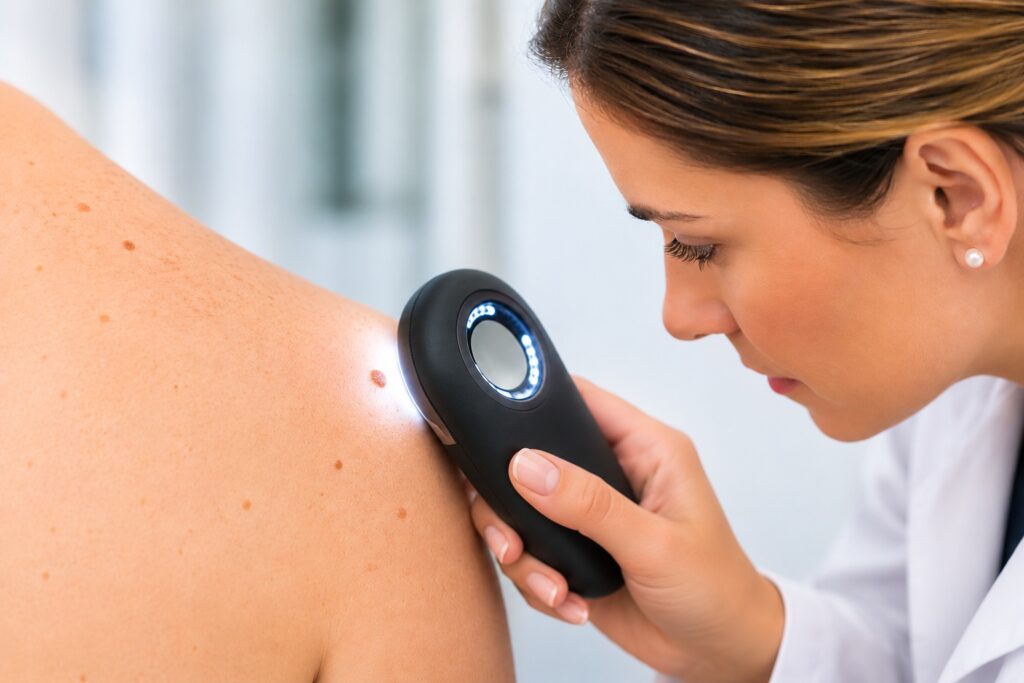
Dermatology Provider Using Dermatoscope

When evaluating suspicious moles and skin lesions, there’s often more to see than what’s on the surface. And while many skin growths are harmless, some may need a closer look. Something that we utilize in our office to do just that is dermoscopy. Dermoscopy is a non-invasive technique to evaluate moles, pigmented lesions, and other suspicious skin growths in great detail.

At Lisa S. Ball, FNP PLLC at the Neiman Dermatology Building in Buffalo, NY, our dermatology providers have completed additional training in dermoscopy, reflecting their commitment to thorough skin examinations, early detection, and high-quality patient care.

What Is Dermoscopy?

Dermoscopy is a non-invasive examination technique that uses a handheld device called a dermatoscope. This instrument provides magnification and specialized lighting, allowing the provider to examine skin structures and patterns that may not be visible to the naked eye.

Dermoscopy is typically used during skin check appointments to help assess:

  • New or changing moles
  • Suspicious or unusual skin growths
  • Pigmented and nonpigmented skin lesions
  • Particular features associated with melanoma or other skin cancers
  • Lesions that may require further examination or biopsy

By providing a more detailed view of the skin, dermoscopy helps our providers assess skin lesions and determine whether additional evaluation, monitoring, or a skin biopsy is needed.

Why Is Specialized Dermoscopy Training Important?

Dermoscopy is an important tool for evaluating suspicious moles and skin lesions. Using magnification and specialized lighting, it allows providers to identify skin structures and patterns that may not be visible to the naked eye.

Research shows that dermoscopy can improve the accuracy of skin lesion assessments when performed by trained providers.

At Lisa S. Ball, NP PLLC at the Neiman Dermatology Building in Buffalo, NY, all of our dermatology nurse practitioners have completed additional training in dermoscopy to support thorough skin examinations and the early identification of suspicious lesions.

How Does Dermoscopy Help With Skin Cancer Detection?

Dermoscopy can help identify concerning features associated with melanoma, basal cell carcinoma, and squamous cell carcinoma.

During a skin examination, our providers may use dermoscopy to:

  • Evaluate suspicious or changing moles
  • Identify patterns associated with skin cancer
  • Determine whether monitoring or a skin biopsy is appropriate

Dermoscopy is quick, painless, and non-invasive. However, it does not replace a skin biopsy when one is needed to confirm a diagnosis.

When Should You Have a Mole Checked?

The ABCDEs of melanoma can help identify suspicious changes:

  • A – Asymmetry: Uneven shape
  • B – Border: Irregular or poorly defined edges
  • C – Color: Multiple colors or changing pigmentation
  • D – Diameter: Larger than 6 mm (size of a pencil eraser), although melanomas can be smaller
  • E – Evolving: Changes in size, shape, or appearance

Other warning signs include bleeding, persistent sores, or new or changing skin growths.

Schedule a Skin Cancer Screening in Buffalo, NY

At Lisa S. Ball, NP PLLC at the Neiman Dermatology Building, our dermatology nurse practitioners use their specialized dermoscopy training to evaluate suspicious moles, changing skin lesions, and potential signs of skin cancer.

We provide skin examinations for patients throughout Buffalo, Williamsville, Amherst, Clarence, Orchard Park, East Aurora, and surrounding Western New York communities.

If you’ve noticed a new or changing mole, unusual skin growth, or concerning skin lesion, schedule a professional skin examination for early evaluation.

Schedule Your Skin Examination Online or call 716-688-0020. Learn more about our skin cancer evaluation and treatment services.
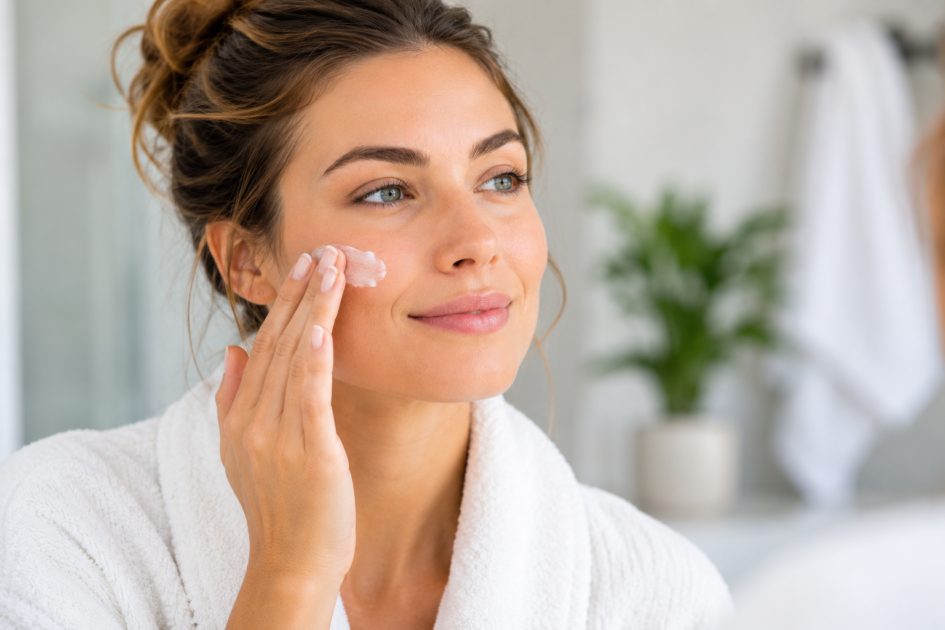
Woman With Healthy Skin

November is National Healthy Skin Month, making it a great time to focus on the importance of taking care of your skin. While many people think of skincare in terms of appearance, maintaining healthy skin is also an important part of your overall health as well.

Being the body’s largest organ, your skin serves as a protective barrier against a variety of things. And over time, sun exposure, weather, and aging can affect how the skin looks and feels.

The good news? There are several simple steps you can take to help protect your skin and keep it healthy throughout the year.

Keep Your Skin Moisturized

Dry skin is one of the most common concerns this time of year. Colder air, lower humidity, and indoor heating can all contribute to dryness, itching, and irritation. One of the easiest ways to help prevent dry skin is to moisturize regularly.

Some helpful tips include:

  • Apply a moisturizer right after showering or bathing.
  • Use a gentle cleanser that doesn’t strip away natural skin oils.
  • Avoid long, hot showers as they can worsen dryness.
  • Consider using a humidifier.
  • Choose fragrance-free products if your skin is sensitive or easily irritated.

For individuals with conditions such as eczema, keeping the skin moisturized is especially important for maintaining the skin barrier and reducing irritation.

Don’t Forget Sunscreen

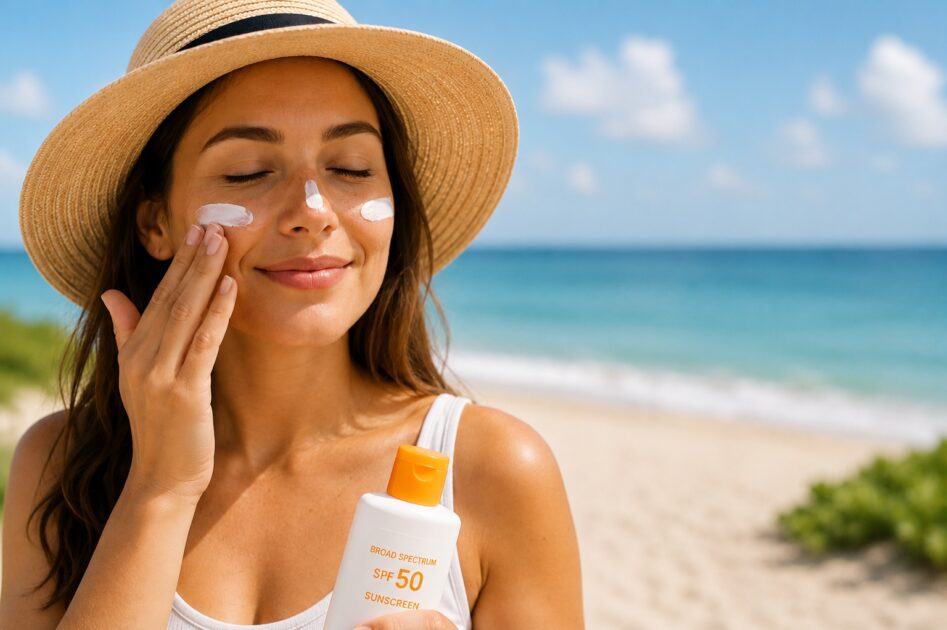
Many people associate sunscreen with summer, but protecting your skin from harmful UV rays is especially important throughout the year. Even during cooler months, UV rays can contribute to premature aging, sun spots, wrinkles, and skin cancer.

For everyday sun protection:

  • Use a broad-spectrum sunscreen with an SPF of 30 or higher.
  • Apply sunscreen to all exposed areas.
  • Reapply approximately every two hours when spending time outdoors.
  • Wear protective clothing and sunglasses when appropriate.

Sun damage builds up over time, so making sunscreen part of your daily routine can go a long way toward protecting your skin.

Pay Attention to Changes in Your Skin

Healthy Skin Month is also a good reminder to pay attention to new or evolving things with your skin. While not every change is a reason for concern, certain things should be evaluated by a provider.

Some things to look out for include:

  • New or changing moles
  • Spots that bleed or don’t heal
  • Rough, scaly, or persistent patches
  • Changes in the size, shape, or color of a skin growth
  • Unexplained or recurring rashes

Conditions such as actinic keratosis can develop after years of sun exposure and may increase the risk of certain types of skin cancer. If you notice something unusual or a spot that evolves, it’s important to have it evaluated.

Address Skin Conditions Before They Worsen

Many common skin conditions can cause ongoing discomfort and may require treatment to keep symptoms under control.

Some of the common conditions include:

  • Acne: Persistent breakouts that can lead to inflammation, discoloration, and scarring.
  • Eczema: Dry, itchy, and inflamed skin which may worsen with certain triggers.
  • Psoriasis: A chronic inflammatory condition that can cause thick, scaly patches.
  • Rosacea: Facial redness, flushing, and acne-like bumps.
  • Actinic Keratosis: Rough, scaly precancerous growths caused by long-term UV exposure.

Treatment depends on the condition, the severity of symptoms, and your individual needs. If you’re experiencing persistent irritation, recurring flare-ups, or symptoms that aren’t improving with OTC products, an evaluation can help determine the appropriate treatment.

Keep Your Skincare Routine Simple

You don’t need a complicated skincare routine or a large number of products to maintain healthy skin. For most people, a good starting point includes these basic steps:

  1. Cleanse: Use a gentle cleanser to remove dirt, oil, and impurities without irritating your skin.
  2. Moisturize: Apply a moisturizer appropriate for your skin type to help maintain hydration.
  3. Protect: Use a broad-spectrum sunscreen with an SPF of at least 30 or higher.

Additional skincare products may be beneficial depending on your skin type and specific concerns while the most important thing is consistency. Using products that work well for your skin and maintaining a regular routine can help keep your skin looking its best.

Healthy Skin Starts with Good Habits

Taking care of your skin doesn’t have to be complicated. Simple habits such as moisturizing regularly, wearing sunscreen, using gentle skincare products, and paying attention to changes in your skin can make all the difference. Healthy Skin Month is the perfect opportunity to take a closer look at your current routine and make adjustments where needed.

Dermatology Care in Buffalo, NY

At Lisa Ball, FNP PLLC at the Neiman Dermatology Building, we provide medical dermatology care for a variety of skin conditions, including acne, eczema, psoriasis, rosacea, and actinic keratosis.

We serve patients throughout Buffalo, Williamsville, Amherst, Clarence, Orchard Park, East Aurora, and surrounding Western New York communities.

If you’re experiencing persistent skin concerns or have noticed a new or changing area of your skin, our dermatology nurse practitioners can evaluate your symptoms and discuss appropriate treatment options.

Call us at 716-688-0020 or schedule an appointment online today. 

Sun Safety

Summer means spending more time outdoors, whether you’re at the beach, working in the yard, or simply enjoying a weekend with family and friends. While sunshine has its benefits, too much sun exposure can have lasting effects on your skin.

Over time, ultraviolet (UV) rays can cause premature aging, wrinkles, sun spots, uneven pigmentation, and most notably, increase your risk of developing skin cancer.

The good news? Most sun damage is preventable. And there are a few simple habits that can go a long way toward keeping your skin healthy, not just this summer, but all year long.

How Does the Sun Damage Your Skin?

Many people think sun damage only occurs after getting a sunburn, but that’s not the only case. Your skin is exposed to UV rays every day, even when it’s cloudy. And daily activities like driving, gardening, walking the dog, or running errands all add up over time.

There are two types of ultraviolet rays that affect your skin:

UVA Rays

UVA rays penetrate deep into the skin where they break down collagen and elastin (the proteins responsible for keeping skin firm and youthful).

Over time, repeated UVA exposure can lead to:

  • Fine lines and wrinkles
  • Loss of skin elasticity
  • Uneven skin tone
  • Brown spots and sun spots
  • Premature aging

Because UVA rays can pass through glass, you’re exposed even while driving or even sitting near a window.

UVB Rays

UVB rays affect the outer layers of your skin and are the primary cause of sunburn.

More importantly, UVB rays damage your skin’s DNA, increasing your risk of developing skin cancer, including:

  • Basal cell carcinoma
  • Squamous cell carcinoma
  • Melanoma

Even if you don’t burn easily, repeated UV exposure causes cumulative damage over the years.

Sunscreen Is Your Best Defense

One of the easiest ways to protect your skin is by wearing a broad-spectrum sunscreen of at least 30 daily.

Broad-spectrum means that it protects against both UVA and UVB rays, helping reduce your risk of:

  • Sunburn
  • Premature aging
  • Dark spots
  • Wrinkles
  • Skin cancer

Applying sunscreen every morning is one of the simplest ways to protect your skin.

Are You Applying Enough Sunscreen?

Most people simply don’t use enough sunscreen to get the protection listed on the bottle.

As a general guideline:

  • Face and neck: About two finger-lengths of sunscreen.
  • Entire body: About one ounce (roughly a shot glass full).

For the best protection:

  • Apply sunscreen about 15 minutes before going outside.
  • Reapply every two hours.
  • Reapply after swimming or sweating.

Don’t Rely on Sunscreen Alone

Sunscreen works best when it’s part of a complete sun protection routine.

Some ways you can further reduce your UV exposure is by:

  • Wearing a wide brimmed hat
  • Using UV blocking sunglasses
  • Wearing UPF rated clothing
  • Seeking shade whenever possible
  • Avoiding prolonged sun exposure between 10am and 4pm (this is when the UV rays are strongest).

Can Existing Sun Damage Be Treated?

Yes. While preventing sun damage is always the best approach, many of its visible effects can be improved.

Depending on your skin concerns, treatment options may include:

  • Medical-grade skincare products
  • Prescription topical medications
  • Laser treatments
  • Treatment of precancerous lesions
  • Other customized treatment options based on your skin

The right treatment depends on your skin type, your goals and the amount of sun damage.

When Should You Schedule a Skin Check?

Annual skin cancer screenings are one of the best ways to detect skin cancer early, when treatment is often simpler and more successful.

Schedule an appointment if you notice:

  • A mole changing in size, shape, or color
  • A spot that bleeds or won’t heal
  • A new or rapidly growing lesion
  • A sore that repeatedly comes back
  • A mole that looks different from the others

If something doesn’t look or feel right, don’t ignore it. It’s always better to have it evaluated.

Healthy Skin Starts with Prevention

Protecting your skin isn’t just about avoiding a painful sunburn, it’s about reducing your risk of premature aging and skin cancer.

Whether you need a skin cancer screening, have concerns about a changing mole, or want help treating existing sun damage, our team at Lisa S. Ball NP at the Neiman Dermatology is here to help.

Call us today at (716) 688-0020 or click here to schedule your appointment and keep your skin healthy all year long.

Summer sun womanWe all know by now the harmful effects that the sun can have on our skin. Not to mention that the intensity of it during the summer months only amplifies that. So why risk the health of your skin by not investing in a quality sunscreen? We put together a list of some of our favorite ones that will help keep your skin protected this summer.

  • SkinCeuticals Daily Brightening UV Def SPF 30. The lightweight feel is very hydrating to the skin helping with UV-induced pigmentation and uneven skin tone.
  • Skinceuticals UV Def., Phys Fusion SPF 50. This ultra-sheer, tinted formula provides broad spectrum UVA/UVB protection with 100% mineral filters. It goes on smoothly and spreads evenly enhancing skin radiance.
  • Skinceuticals UV Def., Phys Matte SPF 50. A tinted mousse that provides broad spectrum UVA/UVB protection with 100% mineral filters. The technology behind it helps it to maintain a matte finish, even in high humidity.
  • PCA Skin Active Broad Spectrum SPF 45. This water-resistant formulation can be used on the face and body and contains potent antioxidants that further protect the skin.

When it comes to sunscreen usage consistency is key. It is so important to use them regularly as they are our first line of defense against damaging UVA/UVB rays. If you would like to learn more about what sunscreen is right for you, contact the skin care experts at Lisa S. Ball, NP today.

Woman Healthy SkinSince November is National Healthy Skin Month, there is no better time than now to think of your skin’s health. And one of the best ways to do that is by using a quality regimen of skin care products. So, we put together a list of some of our favorite SkinCeuticals products that will help you do just that.

  • A.G.E. Eye Complex. Great for dry, aging skin around the eyes. It helps to nourish the area, reducing any puffiness or wrinkles that may be present.
  • C E Ferulic. This incredible serum contains antioxidants that help to prevent and reverse the signs of photodamage. This, in turn, brightens the skin’s overall complexion. It can also help to improve the appearance of fine lines and wrinkles by increasing the firmness of the skin.
  • Daily Moisture. A gentle moisturizer for oily skin that helps to hydrate the skin without clogging the pores.
  • Emollience. A nourishing moisturizer for dry skin that hydrates for a healthy glow.
  • Hydrating B5 Gel. This one is a great complement to either of the above moisturizers helping to further replenish the moisture and nutrients the skin needs for a smooth and healthy appearance.
  • Glycolic Renewal Cleanser. A foaming cleanser that targets dull and rough skin for a refreshed, clearer complexion. Great for any skin type.
  • LHA Cleanser Gel. A deep penetrating cleanser that exfoliates the skin and decongests clogged pores. Perfect for those who have oily, acne-prone skin.
  • Micro-Exfoliating Scrub. Provides a hydrating exfoliation, polishing away any dead skin cells for a smooth, radiant result.
  • Triple Lipid Restore 2:4:2. This quick-absorbing cream is ideal for aging skin by helping to restore the skin’s essential lipids and reduce the appearance of pores.

As you can see, SkinCeuticals offers a variety of options for skin health. To find out which is best for you, contact the skin care professionals at Lisa S. Ball FNP today.

September is Healthy Aging Month, which is a great opportunity to focus on the overall well-being of your skin. Did you know that as we age, aside from those annoying fine lines and wrinkles that pop up, the risk for skin cancer also increases? The Skin Cancer Foundation estimates that by the age of 70, roughly 1 in 5 Americans will develop some form of skin cancer. Older Woman Gardening

That’s why it’s so important to stay on top of the health of your skin. Here are some ways to do just that:

  • Avoid the sun between 10am and 4pm. This is when the sun peaks in the sky and UV rays are at their strongest.
  • Wear sunscreen daily. Even on cloudy, winter days, harmful UV rays are still prevalent. We recommend our patients wear a broad-spectrum SPF of at least 30, reapplying every two hours.
  • If outside for extended periods, wear a hat with a wide brim. This will not only provide shade for your face but also increased protection from sun exposure.
  • Regular skin examinations. We recommend our patients get their skin checked for any cancerous lesions at least once a year. Patients with a history of skin cancer are advised to be seen more frequently.
  • Avoid tanning. This one cannot be emphasized enough. Aside from increasing the risk of skin cancer, it can also contribute to speeding up the aging process.

These tips will not only help to keep your skin looking its best, but also decrease your risk of skin cancer. If you would like to schedule an appointment, call us at 716-688-0020 or click here.

As you may have learned over the years, cleaning your face with a washcloth isn’t always enough. To properly get rid of that layer of dead skin cells that often gives a dull, lackluster appearance, something more is usually needed. That’s where microdermabrasion comes in!

Woman Skin Care TLC

What is a Microdermabrasion?

A microdermabrasion is a non-invasive skin care treatment, usually performed by an aesthetician, that utilizes medical-grade crystals to gently remove the dead, top layer of the skin.

How does it work?

Using a small hand device, with a rough-edged tip, it is slowly passed over the skin to break apart dead skin cells. This in turn clears up the upper layer of skin while massaging the skin tissue helping to improve circulation.

What can it address?

It can help dry skin, fine lines, wrinkles, uneven skin tone, and superficial scars.

How many treatments are needed?

To achieve the best results, a series of 6-12 treatments spaced a few weeks apart is recommended.

How will my skin look after?

Immediately after treatment, the skin will have a radiant glow. The tone and texture will be most noticeably improved.

Is there any special post-treatment care needed?

The skin will be slightly sensitive after treatment, so it’s important to use both an SPF and moisturizer to keep it protected.

As you can see, a microdermabrasion can be an effective treatment for revitalizing the skin. If you would like to learn more about the process and see if it would be for you, contact the skin care experts at Lisa S. Ball, NP today.

woman eating berries

Did you know that the food you eat has a direct correlation with the overall health of your skin? It can influence the tone, texture, and clarity of your skin. That’s right! The secret to healthier, more beautiful skin may lie in your diet. Here are some foods that can improve the appearance of your skin…

    • •Berries. The rich antioxidants found in berries have been proven to protect skin from premature aging.

      • Dark Chocolate. Has been known to help skin stay hydrated and protect it from sun damage.

      • Kiwis. Contains vitamin C and antioxidants which helps keep skin stay firm and prevent wrinkles.

      • Spinach. Rich in calcium, iron, omega-3 fatty acids, vitamins (especially vitamin A), nutrients, and antioxidants which are all great for skin health.

      • Tomatoes. The best source of the anti-aging antioxidant, lycopene.

      • Walnuts. Eating these will give your skin a smoother appearance, plus you’ll also be able to get your daily intake of vitamin E and omega-3 fatty acids.

      • Yogurt. Has a high amount of calcium and vitamin A. The protein you get from dairy helps skin to become firmer thus preventing wrinkles.

      • Sweet Potatoes. They are full of vitamin C, which smoothes wrinkles by stimulating the production of collagen. Also are loaded with beta-carotene, an antioxidant that fights aging.

Woman Tanning

It is a common misconception that a tan is a sign of good skin health, this is not the case.  A tan is actually a sign of damage to the skin and can be just as dangerous as a sun burn.  It can cause skin to age prematurely as well as contribute to skin cell damage. Indoor tanning salon booths and beds in particular pose an even greater threat, delivering up to 15 times more UV radiation than the sun.

On average, more than 1 million people tan in tanning salons each day in the US alone.  These statistics are alarming considering the serious health risks involved.  Not only can tanning lead to unsightly brown spots and wrinkles, but it can also significantly increase the possibility of developing skin cancer.  Many tanning salons avoid those facts though, and instead promote the idea that tanning is a great source of vitamin D.  Adequate vitamin D however can be obtained in a number of healthier ways, whether through the consumption of fish, milk, orange juice or supplements.

Though a tan may look good now it can have harmful effects on the health of your skin later.  Simply put, there is no such thing as a safe tan especially when it comes to indoor salons.

Source: American Academy of Dermatology (AAD)