November is National Healthy Skin Month, making it a great time to focus on the importance of taking care of your skin. While many people think of skincare in terms of appearance, maintaining healthy skin is also an important part of your overall health as well.
Being the body’s largest organ, your skin serves as a protective barrier against a variety of things. And over time, sun exposure, weather, and aging can affect how the skin looks and feels.
The good news? There are several simple steps you can take to help protect your skin and keep it healthy throughout the year.
Keep Your Skin Moisturized
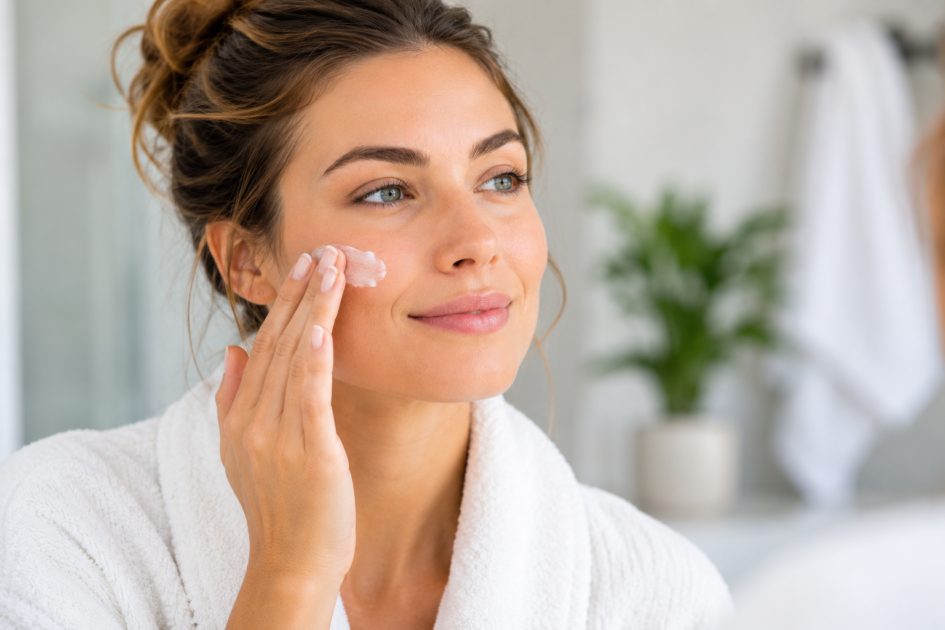
Dry skin is one of the most common concerns this time of year. Colder air, lower humidity, and indoor heating can all contribute to dryness, itching, and irritation. One of the easiest ways to help prevent dry skin is to moisturize regularly.
Some helpful tips include:
- Apply a moisturizer right after showering or bathing.
- Use a gentle cleanser that doesn’t strip away natural skin oils.
- Avoid long, hot showers as they can worsen dryness.
- Consider using a humidifier.
- Choose fragrance-free products if your skin is sensitive or easily irritated.
For individuals with conditions such as eczema, keeping the skin moisturized is especially important for maintaining the skin barrier and reducing irritation.
Don’t Forget Sunscreen
Many people associate sunscreen with summer, but protecting your skin from harmful UV rays is especially important throughout the year. Even during cooler months, UV rays can contribute to premature aging, sun spots, wrinkles, and skin cancer.
For everyday sun protection:
- Use a broad-spectrum sunscreen with an SPF of 30 or higher.
- Apply sunscreen to all exposed areas.
- Reapply approximately every two hours when spending time outdoors.
- Wear protective clothing and sunglasses when appropriate.
Sun damage builds up over time, so making sunscreen part of your daily routine can go a long way toward protecting your skin.
Pay Attention to Changes in Your Skin
Healthy Skin Month is also a good reminder to pay attention to new or evolving things with your skin. While not every change is a reason for concern, certain things should be evaluated by a provider.
Some things to look out for include:
- New or changing moles
- Spots that bleed or don’t heal
- Rough, scaly, or persistent patches
- Changes in the size, shape, or color of a skin growth
- Unexplained or recurring rashes
Conditions such as actinic keratosis can develop after years of sun exposure and may increase the risk of certain types of skin cancer. If you notice something unusual or a spot that evolves, it’s important to have it evaluated.
Address Skin Conditions Before They Worsen
Many common skin conditions can cause ongoing discomfort and may require treatment to keep symptoms under control.
Some of the common conditions include:
- Acne: Persistent breakouts that can lead to inflammation, discoloration, and scarring.
- Eczema: Dry, itchy, and inflamed skin which may worsen with certain triggers.
- Psoriasis: A chronic inflammatory condition that can cause thick, scaly patches.
- Rosacea: Facial redness, flushing, and acne-like bumps.
- Actinic Keratosis: Rough, scaly precancerous growths caused by long-term UV exposure.
Treatment depends on the condition, the severity of symptoms, and your individual needs. If you’re experiencing persistent irritation, recurring flare-ups, or symptoms that aren’t improving with OTC products, an evaluation can help determine the appropriate treatment.
Keep Your Skincare Routine Simple
You don’t need a complicated skincare routine or a large number of products to maintain healthy skin. For most people, a good starting point includes these basic steps:
- Cleanse: Use a gentle cleanser to remove dirt, oil, and impurities without irritating your skin.
- Moisturize: Apply a moisturizer appropriate for your skin type to help maintain hydration.
- Protect: Use a broad-spectrum sunscreen with an SPF of at least 30 or higher.
Additional skincare products may be beneficial depending on your skin type and specific concerns while the most important thing is consistency. Using products that work well for your skin and maintaining a regular routine can help keep your skin looking its best.
Healthy Skin Starts with Good Habits
Taking care of your skin doesn’t have to be complicated. Simple habits such as moisturizing regularly, wearing sunscreen, using gentle skincare products, and paying attention to changes in your skin can make all the difference. Healthy Skin Month is the perfect opportunity to take a closer look at your current routine and make adjustments where needed.
Dermatology Care in Buffalo, NY
At Lisa Ball, FNP PLLC at the Neiman Dermatology Building, we provide medical dermatology care for a variety of skin conditions, including acne, eczema, psoriasis, rosacea, and actinic keratosis.
We serve patients throughout Buffalo, Williamsville, Amherst, Clarence, Orchard Park, East Aurora, and surrounding Western New York communities.
If you’re experiencing persistent skin concerns or have noticed a new or changing area of your skin, our dermatology nurse practitioners can evaluate your symptoms and discuss appropriate treatment options.
Call us at 716-688-0020 or schedule an appointment online today.