Eczema: Symptoms, Causes and Treatment Options

Tag Archives: medical dermatology

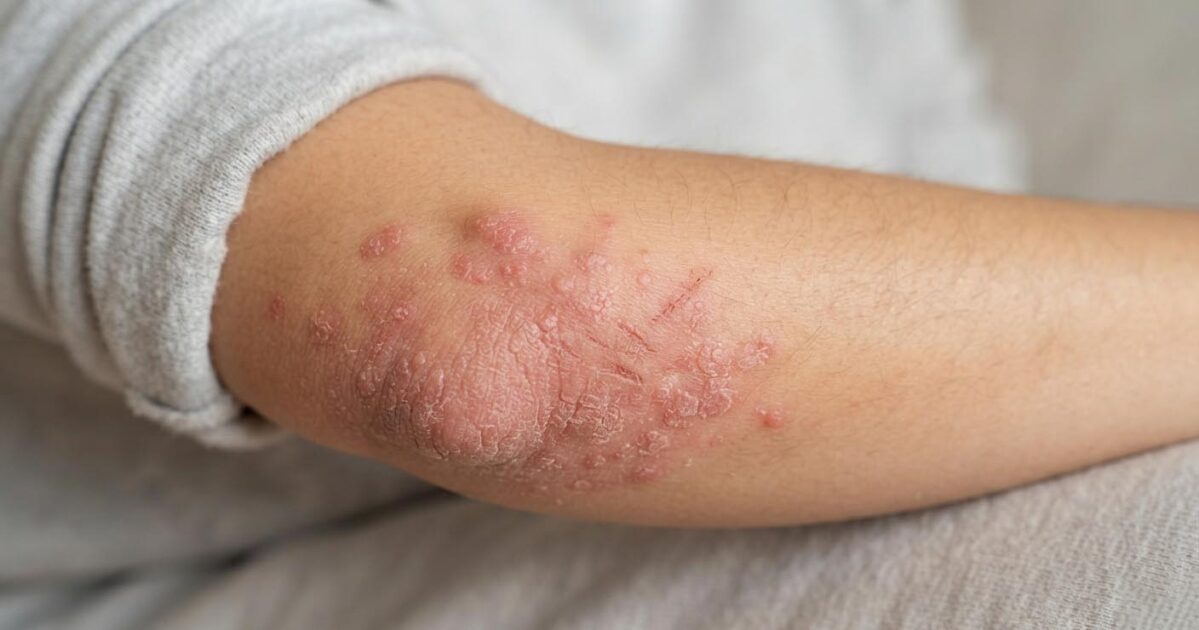
Eczema on arm

October is Eczema Awareness Month, making it the perfect time to learn more about this common skin condition and some of the treatment options available. Eczema affects more than 31 million people in the United States and can cause persistent dryness, itching, inflammation, and rashes.

Although eczema is common, it can look different from person to person. Symptoms may come and go, and what triggers a flare-up for one person may not affect another. Fortunately, there are many ways to manage the condition and reduce its impact on everyday life.

What Is Eczema?

Eczema is an inflammatory condition that causes dry, itchy, and irritated skin. It can develop at any age, although it most commonly begins during childhood. It can continue into adulthood, and some people who experienced eczema as a child may have symptoms again later in life.

Eczema is not contagious. You cannot get it from someone else or spread it.

What Are the Symptoms of Eczema?

One of the most common symptoms of eczema is itching. In fact, eczema is sometimes described as the “itch that rashes,” because itching usually occurs before a rash appears.

Common eczema symptoms include:

  • Itchy skin
  • Dry skin
  • Rash
  • Inflamed areas
  • Discolored skin
  • Rough or bumpy skin
  • Cracked or scaly skin
  • Areas that ooze or crust

Eczema can appear all over the body. For instance, in infants and young children, it commonly affects the face, scalp, arms and legs. In older children and adults, eczema may occur in areas such as the hands, arms, legs, neck and folds of the skin.

Symptoms can also change over time. A person may have periods when the skin is relatively clear followed by an eczema flare-up.

What Causes Eczema?

Although the exact cause of eczema is not known, it is believed to have many potential contributors. Some of these include:

  • Genetics or family history
  • Environmental triggers
  • Stress

Common Eczema Triggers

Triggers vary from person to person, but may include:

  • Fabrics or materials
  • Fragrances and perfumes
  • Soaps or cleansers
  • Skincare products
  • Dry air
  • Extreme hot or cold weather
  • Laundry detergent
  • Stress

Eczema Treatment: What Are the Options?

There is currently no cure for eczema, but treatment can help manage symptoms, reduce flare-ups and improve the overall health of the skin. Treatment may include:

  • Moisturizers and skin care to protect and help strengthen the skin barrier
  • Prescription topical treatments such as corticosteroids and nonsteroidal medications
  • Phototherapy to help reduce inflammation
  • Biologic and oral medications for more severe cases

During an eczema flare-up, gentle skin care can also help reduce irritation. Moisturize regularly, use fragrance-free products, avoid hot water and try to avoid known triggers.

An evaluation with one of our medical dermatology providers can help determine the most appropriate eczema treatment for your specific situation.

Frequently Asked Questions About Eczema

Can eczema be cured?
There is currently no cure for eczema, but treatment can help control symptoms, reduce flare-ups and improve the health of the skin.

Is eczema contagious?
No. Eczema is not contagious and cannot be spread from person to person.

Can adults develop eczema?
Yes. Although eczema often begins during childhood, it can develop at any age, including adulthood.

Eczema Treatment in Buffalo, NY

If you’re experiencing persistent itching, dry or inflamed skin, or recurring rashes, an evaluation can help determine whether eczema or another skin condition may be responsible.

Lisa S. Ball, NP at the Neiman Dermatology Building provides medical dermatology care for patients throughout Buffalo, Williamsville, Amherst, Clarence, Orchard Park, East Aurora and surrounding Western New York communities.

Schedule an appointment to have your symptoms evaluated and discuss appropriate eczema treatment options.

Source: The National Eczema Association (NEA)

Dry Skin vs. Eczema: How to Tell the Difference and When to Seek Treatment

Dry, itchy skin is one of the most common reasons people seek dermatology care during the harsh Western New York winters. While many may simply chalk up their symptoms to dry skin, the cause may actually be eczema, a chronic inflammatory skin condition that often requires treatment.

Understanding the difference between dry skin and eczema is crucial, as treating eczema as if it were simple dryness can allow symptoms to worsen over time.

So how can you tell if it’s dry skin or eczema? Let’s take a closer look.


Dry Skin vs. Eczema: What’s the Difference?

Although dry skin and eczema can look very similar, they require very different treatment approaches.

Dry skin is usually temporary and related to environmental factors, whereas eczema is chronic, involving inflammation, skin barrier dysfunction, and immune system activity.


Dry Skin: Causes and Symptoms

Dry skin occurs when the skin does not retain enough moisture. It is often seasonal and improves with proper skincare.

Common Causes of Dry Skin

  • Cold or dry weather

  • Hot showers or baths

  • Harsh soaps or cleansers

  • Certain skincare products

  • Aging skin

  • Dehydration

Typical Dry Skin Symptoms

  • Flaking or scaling

  • Mild itching

  • Tight, rough, or dull skin texture

  • Symptoms improve with consistent moisturizing

In most cases, dry skin responds well to over-the-counter moisturizers, gentle cleansers, and lifestyle adjustments.


Eczema: Causes and Symptoms

Eczema is a chronic inflammatory skin condition that affects the skin barrier and immune response. This makes the skin more sensitive and prone to irritation and flare-ups.

Common Eczema Symptoms

  • Intense, persistent itching (often worse at night)

  • Red, inflamed, or irritated patches

  • Thickened or leathery skin over time

  • Cracking, oozing, or crusting

  • Flare-ups that improve and worsen repeatedly

Unlike dry skin, eczema often does not fully improve with moisturizers alone and frequently requires medical dermatology treatment.


How to Tell If Your “Dry Skin” Is Actually Eczema

You may be dealing with eczema rather than simple dry skin if:

  • Itching is constant or severe

  • Moisturizers provide only temporary relief

  • Skin appears red or inflamed, not just flaky

  • Symptoms return in the same areas repeatedly

  • Skin becomes thickened, darker, or leathery

Common areas affected by eczema include the hands, elbows, knees, neck, face, wrists, and behind the ears.


Why a Diagnosis Matters

Treating eczema as ordinary dry skin can lead to:

  • Persistent itching and discomfort

  • Increased risk of skin infections

  • Worsening inflammation and flare-ups

A professional dermatology evaluation helps to:

  • Accurately diagnose dry skin vs. eczema

  • Rule out infections or allergic reactions

  • Identify personal triggers

  • Create an effective, personalized treatment plan

Early diagnosis and treatment can significantly improve symptoms and long-term skin health.


Dermatology Treatment for Dry Skin and Eczema

Treatment depends on the diagnosis and severity of symptoms.

Treatment Options for Dry Skin

  • Medical-grade moisturizers

  • Gentle, non-irritating cleansers

  • Skincare and lifestyle guidance

Treatment Options for Eczema

  • Prescription topical medications

  • Anti-inflammatory therapies

  • Skin barrier-repair treatments

  • Trigger identification and prevention strategies

The goal of dermatology treatment is to reduce inflammation, restore the skin barrier, and prevent future eczema flares.


When Should You See a Dermatology Provider?

You should schedule an appointment with a dermatology provider if:

  • Dryness does not improve after 1–2 weeks of regular moisturizing

  • Itching interferes with sleep or daily activities

  • Skin becomes red, painful, cracked, or oozing

  • You’re unsure whether your symptoms are dry skin or eczema

Prompt evaluation can prevent symptoms from becoming more severe and harder to control.


The Bottom Line

Not all dry skin is eczema, but persistent, itchy, inflamed skin shouldn’t be ignored. If you are experiencing ongoing dry skin or eczema symptoms in Buffalo or the surrounding areas, schedule an evaluation with our dermatology team to receive an accurate diagnosis and personalized treatment plan.