 Chances are, you know the importance of regular sunscreen use. Not only does it protect against skin cancer, but it can also help prevent premature aging. However, the question for many is: which sunscreen is right for them?
The first step in finding the right sunscreen is to know your skin type. Skin types can vary from dry to oily, sensitive, or combination. Each type requires specific considerations when it comes to sunscreens. For instance, individuals with oily skin may prefer oil-free formulas, while those with dry skin may benefit more from sunscreens with hydrating or moisturizing properties.
Next, consider any specific skin concerns of yours, such as acne, rosacea, or hyperpigmentation. For instance, certain sunscreen ingredients such as zinc oxide and titanium dioxide, are suitable for sensitive skin types and can help calm inflammation. Whereas for acne-prone skin, you may want to look for non-comedogenic formulas that won’t clog the pores.
When considering sunscreen, also pay attention to the SPF (Sun Protection Factor) and ensure it offers broad-spectrum protection against UVA and UVB rays. The American Academy of Dermatology (AAD) recommends sunscreen with at least an SPF of 30 for adequate protection. Higher SPF values provide increased sun protection, but with any, it is essential to reapply sunscreen every two hours, especially after swimming or sweating.
Below are some sunscreens we recommend:
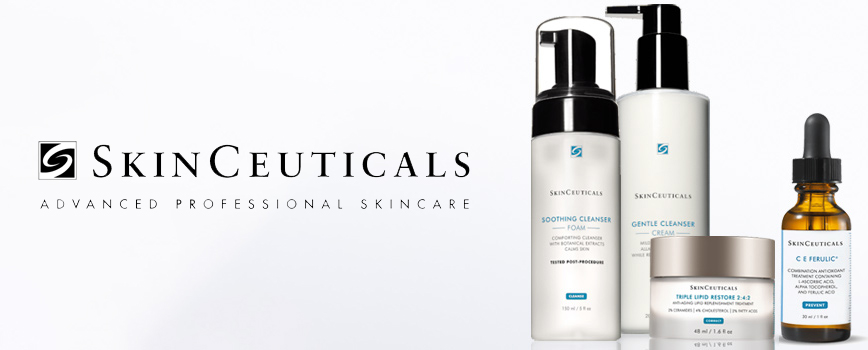
- SkinCeuticals Physical Fusion UV Defense SPF 50. A tinted sunscreen that has an SPF of 50. It has 100% mineral filters and provides broad-spectrum UVA/UVB protection.
- SkinCeuticals Physical Matte UV Defense SPF 50. A 100% physical tinted sunscreen with an oil-absorbing base that leaves a long-lasting matte finish. This sunscreen is formulated with titanium dioxide and zinc oxide to provide high broad-spectrum UV protection.
- PCA Skin Active Broad Spectrum SPF 45. This face and body sunscreen provides water-resistant, broad spectrum protection with a light finish.
When choosing the right sunscreen for you, the most important factors include personal preference, skin type, and your individual needs. Whatever sunscreen you choose, it’s important to pick one that you will use consistently.
Source(s): American Academy of Dermatology (AAD), Skinceuticals.com, PCAskin.com
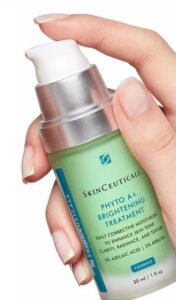 Dark spots, also known as hyperpigmentation, are a common concern for many individuals. Resulting from an excess production of melanin, a natural pigment created by cells called melanocytes, their frequency can vary from one person to another. So, what can you do to address them? We like the SkinCeuticals Phyto A+ Brightening Treatment.
 When it comes to skincare, the majority of our focus usually goes to the face, diligently cleansing, exfoliating, and moisturizing to maintain a healthy glow. But in our quest for flawless skin, there’s one crucial area that often gets overlooked: the scalp. Just as our face needs care and attention, so too does the skin on our scalp. Recognizing this, we adapted the proven effectiveness of the HydraFacial to target scalp health, introducing the
 The skin around the eyes is one of the first places to show signs of aging. Whether it’s dark circles, crow’s feet, or puffiness, tired-looking eyes can be a nuisance. Fortunately, SkinCeuticals has developed a new and innovative eye cream in the A.G.E. Advanced Eye that can help.

 Halloween is a time for spooky decor, fun costumes, and plenty of treats, but it can also wreak havoc on the skin. With costume makeup, creepy masks, and late-night parties, it’s essential to prioritize your skin’s well-being. Below are some ways to do just that.

 So, now that school is back in full swing, there’s no better time to establish (or re-establish) a skincare routine. This will not only help you to look your best but to feel it as well.
 For much of the summer, smoke from the Canadian Wildfires (and now Hawaiian) has brought air quality concerns into the national spotlight. Aside from the known risks of inhaling wildfire smoke, it can also pose a serious threat to the skin as well.