Is Your Dry Skin Actually Eczema? How to Tell the Difference

Tag Archives: Eczema

Dry Skin vs. Eczema: How to Tell the Difference and When to Seek Treatment

Dry, itchy skin is one of the most common reasons people seek dermatology care during the harsh Western New York winters. While many may simply chalk up their symptoms to dry skin, the cause may actually be eczema, a chronic inflammatory skin condition that often requires treatment.

Understanding the difference between dry skin and eczema is crucial, as treating eczema as if it were simple dryness can allow symptoms to worsen over time.

So how can you tell if it’s dry skin or eczema? Let’s take a closer look.


Dry Skin vs. Eczema: What’s the Difference?

Although dry skin and eczema can look very similar, they require very different treatment approaches.

Dry skin is usually temporary and related to environmental factors, whereas eczema is chronic, involving inflammation, skin barrier dysfunction, and immune system activity.


Dry Skin: Causes and Symptoms

Dry skin occurs when the skin does not retain enough moisture. It is often seasonal and improves with proper skincare.

Common Causes of Dry Skin

  • Cold or dry weather

  • Hot showers or baths

  • Harsh soaps or cleansers

  • Certain skincare products

  • Aging skin

  • Dehydration

Typical Dry Skin Symptoms

  • Flaking or scaling

  • Mild itching

  • Tight, rough, or dull skin texture

  • Symptoms improve with consistent moisturizing

In most cases, dry skin responds well to over-the-counter moisturizers, gentle cleansers, and lifestyle adjustments.


Eczema: Causes and Symptoms

Eczema is a chronic inflammatory skin condition that affects the skin barrier and immune response. This makes the skin more sensitive and prone to irritation and flare-ups.

Common Eczema Symptoms

  • Intense, persistent itching (often worse at night)

  • Red, inflamed, or irritated patches

  • Thickened or leathery skin over time

  • Cracking, oozing, or crusting

  • Flare-ups that improve and worsen repeatedly

Unlike dry skin, eczema often does not fully improve with moisturizers alone and frequently requires medical dermatology treatment.


How to Tell If Your “Dry Skin” Is Actually Eczema

You may be dealing with eczema rather than simple dry skin if:

  • Itching is constant or severe

  • Moisturizers provide only temporary relief

  • Skin appears red or inflamed, not just flaky

  • Symptoms return in the same areas repeatedly

  • Skin becomes thickened, darker, or leathery

Common areas affected by eczema include the hands, elbows, knees, neck, face, wrists, and behind the ears.


Why a Diagnosis Matters

Treating eczema as ordinary dry skin can lead to:

  • Persistent itching and discomfort

  • Increased risk of skin infections

  • Worsening inflammation and flare-ups

A professional dermatology evaluation helps to:

  • Accurately diagnose dry skin vs. eczema

  • Rule out infections or allergic reactions

  • Identify personal triggers

  • Create an effective, personalized treatment plan

Early diagnosis and treatment can significantly improve symptoms and long-term skin health.


Dermatology Treatment for Dry Skin and Eczema

Treatment depends on the diagnosis and severity of symptoms.

Treatment Options for Dry Skin

  • Medical-grade moisturizers

  • Gentle, non-irritating cleansers

  • Skincare and lifestyle guidance

Treatment Options for Eczema

  • Prescription topical medications

  • Anti-inflammatory therapies

  • Skin barrier-repair treatments

  • Trigger identification and prevention strategies

The goal of dermatology treatment is to reduce inflammation, restore the skin barrier, and prevent future eczema flares.


When Should You See a Dermatology Provider?

You should schedule an appointment with a dermatology provider if:

  • Dryness does not improve after 1–2 weeks of regular moisturizing

  • Itching interferes with sleep or daily activities

  • Skin becomes red, painful, cracked, or oozing

  • You’re unsure whether your symptoms are dry skin or eczema

Prompt evaluation can prevent symptoms from becoming more severe and harder to control.


The Bottom Line

Not all dry skin is eczema, but persistent, itchy, inflamed skin shouldn’t be ignored. If you are experiencing ongoing dry skin or eczema symptoms in Buffalo or the surrounding areas, schedule an evaluation with our dermatology team to receive an accurate diagnosis and personalized treatment plan.

Woman with Eczema

Eczema or atopic dermatitis is a chronic skin disease that affects more than 31 million people in the US alone. And with October winding down let us not forget Eczema Awareness Month. This month is the perfect opportunity to highlight the common condition to provide a better understanding of it.

Eczema usually presents as dry, red, and itchy patches on the skin that break out in rashes when scratched. Treatment usually involves avoiding scratching, using moisturizers, cold compresses, and anti-inflammatory creams or ointments. More commonly seen in children, the condition can affect people of all ages. 

Help those who have eczema live their best life. Spreading awareness provides individuals dealing with the condition an opportunity to better manage it. If you or someone you know is affected by eczema, October is a good time to seek out resources and get further education on the condition.

Source: American Academy of Dermatology (AAD), National Eczema Association

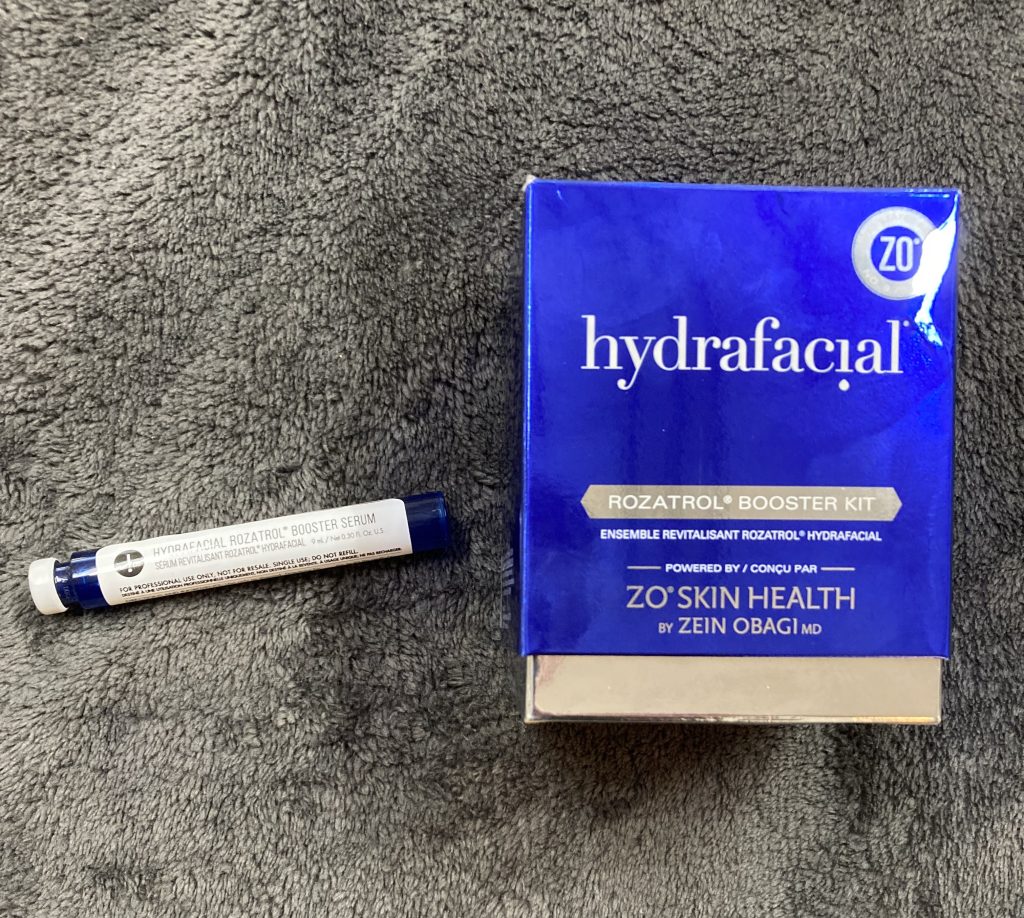
Rozatrol Booster

Adding a booster to a HydraFacial offers a variety of benefits for the skin. And with October being Eczema Awareness Month, we wanted to highlight one booster, in particular, the ZO Skin Health Rozatrol.

This booster is great for eczema because it was specifically developed with the skin condition in mind. Offering a combination of redness relieving ingredients, it’s perfect for minimizing the appearance of skin redness and dryness. In doing that, the overall appearance of the skin is improved with a smoother texture and more even tone.

Overall, the ZO Skin Health Rozatrol is a phenomenal option for eczema that provides patients instant relief and cumulative benefits as they continue with the treatment. If you would like to learn more about adding the ZO Rozatrol to a HydraFacial at the Neiman Dermatology Building in Buffalo, NY, call 716-688-0020 or click here.

As discussed in a previous post, eczema is an autoimmune skin condition that can be worsened by certain irritants. The key to managing eczema is to avoid those irritants and appropriately care for your skin. Some ways to do that include…

Caring for Eczema

  • MOISTURIZE, MOISTURIZE, MOISTURIZE!!!!!!!!! Use either a cream or lotion, depending on which is best for your skin specifically.
  • Moisturize immediately after showering and then as needed throughout the day. Try using Cetaphil or Cerave.
  • Take cooler, shorter showers. Will help prevent your skin from being stripped from too much moisture.
  • Wash with gentle soaps. Dove soap, Purpose bar soap or Basis bar soap are all great options.
  • Soak in bath oils. Soothes the skin and helps to alleviate itching.
  • Put a humidifier in the bedroom. Adds moisture to the air, thus providing the skin with more hydration.
  • Clean your clothes with products that are fragrance and dye free. Try Tide (free & gentle) detergent, Downy (free & gentle) fabric softener, and Bounce (free & gentle) dryer sheets.


Since eczema is a chronic skin condition it is also important to use medications prescribed as directed. With effective treatment, you can keep eczema under control.

Topical corticosteroids (steroids) are a common treatment option for a variety of dermatological conditions. The reason is that they promote anti-inflammatory responses by suppressing the immune system’s response. Typically prescribed for psoriasis, atopic dermatitis, eczema, and rashes, if prescribed appropriately they can yield very effective results.

This effectiveness however can lead to patients developing a dependency on them. Initially, after stopping the topical steroid, the condition may come back with a vengeance. So quite often, people will continue to apply the steroid even after the condition clears, and in doing so, severe side effects can arise.  Examples include, atrophy of the skin (the consistency in the area of skin where the cream was used becomes comparable to saran wrap) or striae (thick red lines that look like stretch marks). A way to avoid potential addiction is through the use of a stagger program. This can be done by using the topical steroid twice a day for two weeks, then taking one week off.

Although topical steroids are an effective option, if not administered properly it can lead to serious issues.

Eczema is an autoimmune disease that is characterized by itchy red bumps on the skin. The skin starts out rather itchy (progressively becoming worse), thereafter developing into a rash. The rash tends to be very dry and scaly in appearance, but is not contagious.

Eczema

The exact cause of Eczema is unknown and can arise at any age. It is most prevalent in infants and young adults. It was recently reported that it is on the rise as the biggest skin disease for children nowadays. In older sufferers, eczema typically occurs on the hands or feet, but may appear anywhere on the body. Certain foods, allergens, or bacteria have been known to all be contributors to the condition.

Although there may be no cure for eczema, understanding certain irritants is crucial in prevention or re occurrence. If you believe you may be experiencing eczema contact our office at 716-688-0020 today. The earlier treatment is made, the more manageable the condition.